 www.knowyourmla.com
Thanjavur
GeneralThanjavur · Lok Sabha Constituency No. 30
Murasoli SDMK
Overview
Thanjavur Lok Sabha Constituency is one of the 39 parliamentary constituencies in Tamil Nadu and is located in the heart of the fertile Cauvery Delta. Covering major portions of Thanjavur district, the constituency is widely regarded as the cultural and agricultural capital of Tamil Nadu. Thanjavur city, the district headquarters, is an internationally renowned centre of history, art, architecture, education and agriculture.
Known as the **"Rice Bowl of Tamil Nadu"**, the constituency owes its prosperity to the fertile plains irrigated by the :contentReference[oaicite:0]{index=0} and its distributaries. Thanjavur is home to the UNESCO World Heritage-listed :contentReference[oaicite:1]{index=1}, one of the greatest achievements of Chola architecture and one of India's finest temple monuments. The region is also famous for Thanjavur paintings, bronze sculptures, classical Carnatic music, Bharatanatyam and Veena craftsmanship. Agriculture, education, religious tourism, handicrafts, rice milling and trade form the backbone of the local economy.
Lok Sabha Constituency Number
Parliamentary Constituency No: 30
Reservation Status
General
Assembly Segments
The Thanjavur Lok Sabha Constituency comprises the following six Assembly constituencies:
- Thanjavur - Tiruvaiyaru - Orathanadu - Pattukkottai - Peravurani - Papanasam
2024 Lok Sabha Result
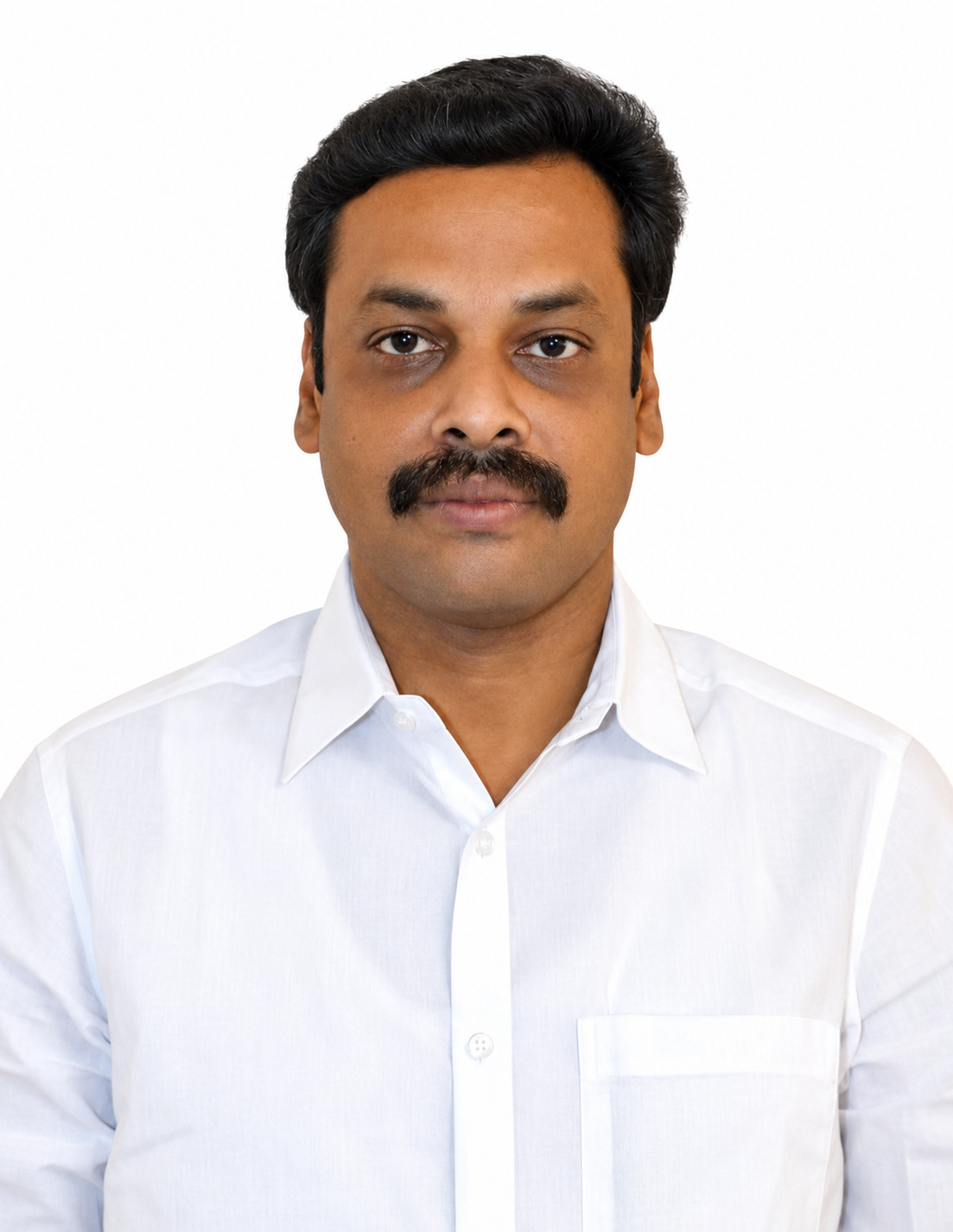
Murasoli S
Votes: 5,02,245
Sivanesan P
Votes: 1,82,662
Victory margin: 3,19,583 votes
2024 Voter Turnout
Turnout
Votes Polled
Total Electors
2019 Lok Sabha Result
S. S. Palanimanickam
Votes: 5,88,978
N. R. Natarajan
Votes: 2,20,849
Victory margin: 3,68,129 votes
Electoral History
Winners of past Lok Sabha general elections in this constituency.
| Year | Winner | Party |
|---|---|---|
| 2024 | Murasoli S | DMK |
| 2019 | S. S. Palanimanickam | DMK |
2019 → 2024 Comparison
DMK held this seat across both elections. Winning margin narrowed by 48,546 votes.
Political History
Thanjavur has traditionally been one of the most politically influential parliamentary constituencies in the Cauvery Delta. It has witnessed electoral contests involving the Dravida Munnetra Kazhagam (DMK), All India Anna Dravida Munnetra Kazhagam (AIADMK), Indian National Congress, Tamil Maanila Congress (TMC), Bharatiya Janata Party (BJP) and several regional parties.
Agriculture, Cauvery water sharing, irrigation, farmers' welfare, cultural heritage, education and rural development have consistently shaped electoral politics. The constituency has long reflected the concerns of the delta farming community and has played an important role in debates over river water management.
Development Issues
Ensuring adequate Cauvery water for irrigation remains the constituency's foremost priority. Farmers seek timely release of water, canal modernisation, desilting of waterways and better procurement prices for paddy. Expansion of food-processing industries and value-added agricultural enterprises also remains a major demand.
Residents seek improved healthcare facilities, educational institutions, tourism infrastructure and road connectivity. Preservation of heritage monuments, promotion of traditional arts and crafts and sustainable tourism are also important public concerns. Flood management and climate resilience have gained increasing attention in recent years.
Constituency Insights
Thanjavur is one of Tamil Nadu's most culturally and agriculturally significant parliamentary constituencies. The electorate includes farmers, artisans, teachers, students, tourism operators, traders, government employees and small business owners. Agriculture remains the principal source of livelihood, while education, tourism and handicrafts contribute significantly to the regional economy.
The constituency's political priorities revolve around agriculture, irrigation, heritage conservation, education, rural infrastructure and employment generation. Thanjavur's historical legacy and agricultural importance give it a unique identity in Tamil Nadu.
Demographics
Population
Literacy Rate
SC Population
ST Population
Male
Female
Economy & Key Occupations
Urban / Rural
Major Sectors
Key Industries
Major Crops
Location
Thanjavur Lok Sabha Constituency, Thanjavur district.
Districts Covered
Districts that this Lok Sabha constituency spans.
Frequently Asked Questions
Q: Where is Thanjavur Lok Sabha Constituency located?
A: Thanjavur Lok Sabha Constituency is located in the Cauvery Delta region of central Tamil Nadu and covers major parts of Thanjavur district.
Q: Is Thanjavur a reserved constituency?
A: No. Thanjavur is a General category parliamentary constituency.
Q: Who is the current Member of Parliament from Thanjavur?
A: :contentReference[oaicite:4]{index=4} of the Dravida Munnetra Kazhagam (DMK) is the current Member of Parliament, elected in the 2024 Lok Sabha election.
Q: Why is Thanjavur Lok Sabha Constituency important?
A: Thanjavur is renowned as the cultural capital of Tamil Nadu, the Rice Bowl of the state and home to the UNESCO World Heritage-listed Brihadisvara Temple.
Q: What are the major economic activities in Thanjavur?
A: Agriculture, higher education, religious tourism, handicrafts, rice milling, food processing and trade are the major economic activities.
Q: Which Assembly constituencies are part of Thanjavur Lok Sabha Constituency?
A: Thanjavur, Tiruvaiyaru, Orathanadu, Pattukkottai, Peravurani and Papanasam.
Q: What are the major crops grown in Thanjavur?
A: Paddy, sugarcane, coconut, banana, black gram, sesame and vegetables are among the major crops cultivated across the constituency.
Q: What are the key development issues in Thanjavur?
A: Cauvery water management, irrigation, agricultural development, heritage conservation, tourism infrastructure, healthcare, education and employment generation are among the major concerns.
Q: Why is Brihadisvara Temple famous?
A: Built by the Chola emperor Rajaraja I in the 11th century, the Brihadisvara Temple is a UNESCO World Heritage Site celebrated for its monumental architecture, engineering excellence and cultural significance.
Q: What factors influence elections in Thanjavur?
A: Cauvery water sharing, agricultural development, irrigation, heritage conservation, rural infrastructure, welfare programmes, employment opportunities and local leadership are among the most important factors influencing elections in the constituency.