 www.knowyourmla.com
Dindigul
GeneralDindigul · Lok Sabha Constituency No. 22
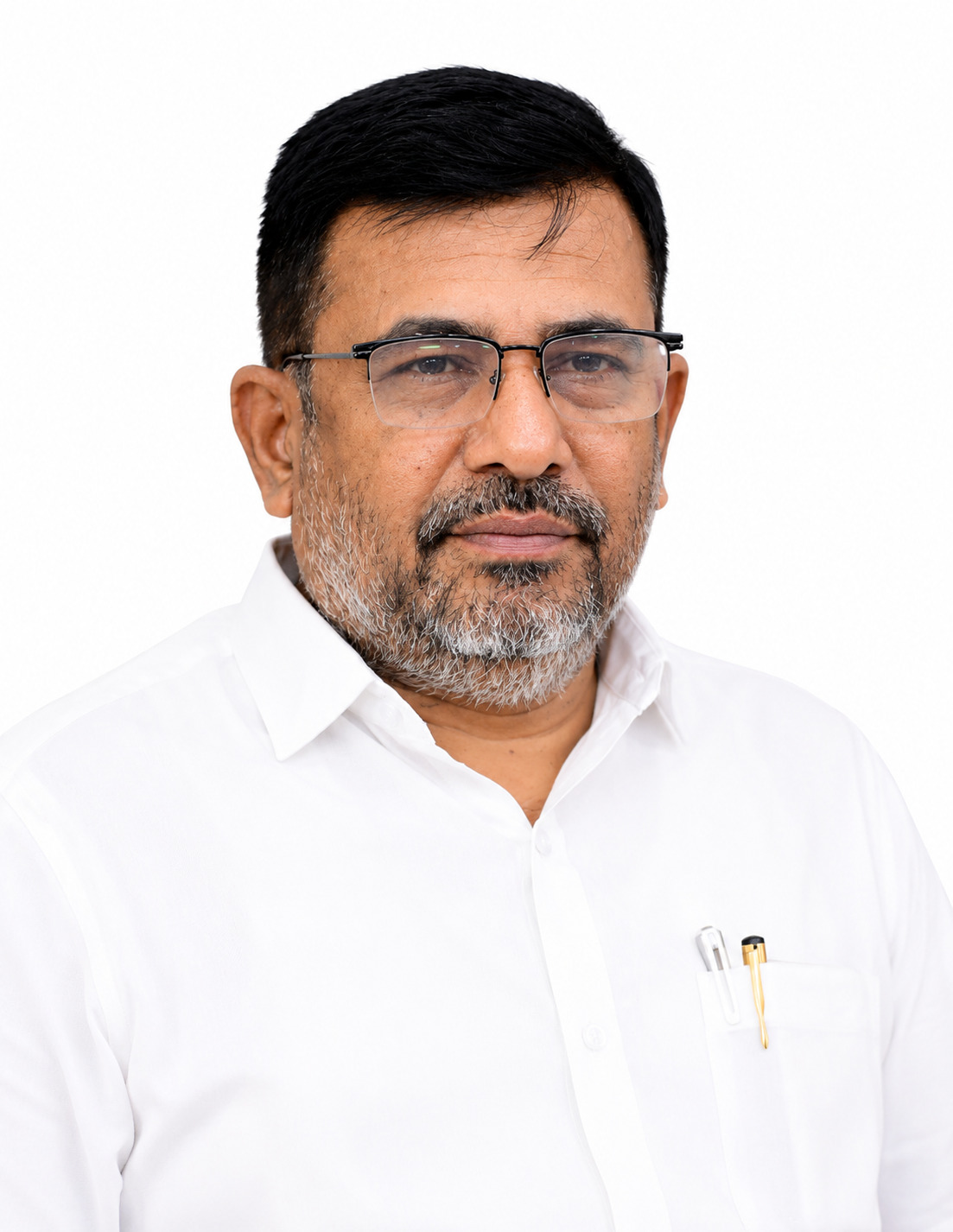
Sachithanantham RCPI(M)
Current MP
Party
Reservation
Parliamentary Constituency No.
District
Overview
Dindigul Lok Sabha Constituency is one of the 39 parliamentary constituencies in Tamil Nadu and is located in the south-central part of the state. Centred around Dindigul city, the headquarters of Dindigul district, the constituency is an important agricultural, industrial and commercial hub. Strategically located between Madurai, Tiruchirappalli and Coimbatore, Dindigul serves as a gateway to the Western Ghats and several renowned tourist destinations.
The constituency is known for its thriving lock manufacturing industry, leather processing, textile production and agricultural economy. It is also famous for the historic :contentReference[oaicite:0]{index=0}, one of Tamil Nadu's best-preserved hill forts, and for being the gateway to the popular hill station of :contentReference[oaicite:1]{index=1}. Agriculture, horticulture, floriculture, leather, textiles, food processing, tourism and trade form the backbone of the local economy. The region is also recognised for its flourishing jasmine flower cultivation and dairy sector.
Lok Sabha Constituency Number
Parliamentary Constituency No: 22
Reservation Status
General
Assembly Segments
The Dindigul Lok Sabha Constituency comprises the following six Assembly constituencies:
- Nilakkottai (SC) - Athoor - Dindigul - Natham - Oddanchatram - Vedasandur
2024 Lok Sabha Result
Sachithanantham R
Votes: 6,70,149
Mohamed Mubarak M A
Votes: 2,26,328
Victory margin: 4,43,821 votes
2024 Voter Turnout
Turnout
Votes Polled
Total Electors
2019 Lok Sabha Result
P. Velusamy
Votes: 7,46,523
K. Jothimuthu
Votes: 2,07,551
Victory margin: 5,38,972 votes
Electoral History
Winners of past Lok Sabha general elections in this constituency.
| Year | Winner | Party |
|---|---|---|
| 2024 | Sachithanantham R | CPI(M) |
| 2019 | P. Velusamy | DMK |
2019 → 2024 Comparison
Won by DMK in 2019, flipped to CPI(M) in 2024. Winning margin narrowed by 95,151 votes.
Political History
Dindigul has traditionally been one of the politically significant parliamentary constituencies in southern Tamil Nadu. Over the decades, the constituency has witnessed electoral contests involving the Dravida Munnetra Kazhagam (DMK), All India Anna Dravida Munnetra Kazhagam (AIADMK), Communist Party of India (Marxist), Indian National Congress, Bharatiya Janata Party (BJP) and other regional parties.
Agriculture, irrigation, industrial development, employment generation, rural infrastructure and education have consistently shaped electoral politics. The constituency has often reflected the broader political trends of south-central Tamil Nadu while retaining its distinct agricultural identity.
Development Issues
Water management remains the foremost development priority in Dindigul. Farmers seek improved irrigation facilities, restoration of tanks, groundwater conservation and better market access for agricultural and horticultural produce. Expansion of food-processing industries and cold-storage infrastructure is also widely demanded.
Industrial modernisation of the lock and leather sectors remains important for employment generation. Residents seek improved healthcare services, educational institutions, road connectivity and tourism infrastructure. Sustainable development of Kodaikanal tourism and environmental protection of the Western Ghats continue to receive significant public attention.
Constituency Insights
Dindigul is one of Tamil Nadu's most economically diverse parliamentary constituencies. The electorate includes farmers, flower growers, leather workers, lock manufacturers, traders, dairy farmers, tourism operators, government employees and students. Agriculture remains the principal source of livelihood, while manufacturing, horticulture and tourism provide significant employment.
The constituency's political priorities revolve around agriculture, irrigation, industrial development, tourism, education and rural infrastructure. Its location at the crossroads of central and western Tamil Nadu enhances its commercial importance.
Demographics
Population
Literacy Rate
SC Population
ST Population
Male
Female
Economy & Key Occupations
Urban / Rural
Major Sectors
Key Industries
Major Crops
Location
Dindigul Lok Sabha Constituency, Dindigul district.
Districts Covered
Districts that this Lok Sabha constituency spans.
Frequently Asked Questions
Q: Where is Dindigul Lok Sabha Constituency located?
A: Dindigul Lok Sabha Constituency is located in south-central Tamil Nadu and covers major parts of Dindigul district.
Q: Is Dindigul a reserved constituency?
A: No. Dindigul is a General category parliamentary constituency.
Q: Who is the current Member of Parliament from Dindigul?
A: :contentReference[oaicite:4]{index=4} of the Communist Party of India (Marxist) (CPI(M)) is the current Member of Parliament, elected in the 2024 Lok Sabha election.
Q: Why is Dindigul Lok Sabha Constituency important?
A: Dindigul is known for its lock manufacturing industry, leather processing, agricultural economy and as the gateway to Kodaikanal.
Q: What are the major economic activities in Dindigul?
A: Agriculture, horticulture, leather processing, lock manufacturing, tourism, food processing and trade are the major economic activities.
Q: Which Assembly constituencies are part of Dindigul Lok Sabha Constituency?
A: Nilakkottai, Athoor, Dindigul, Natham, Oddanchatram and Vedasandur.
Q: What are the major crops grown in Dindigul?
A: Paddy, maize, tomato, onion, jasmine, banana and millets are among the major crops cultivated across the constituency.
Q: What are the key development issues in Dindigul?
A: Irrigation, agricultural development, industrial modernisation, tourism infrastructure, healthcare, education and employment generation are among the major concerns.
Q: Why is Dindigul famous for locks?
A: Dindigul has a centuries-old lock manufacturing industry known for producing durable handmade and machine-made locks that are sold across India.
Q: What factors influence elections in Dindigul?
A: Agricultural development, irrigation, industrial growth, tourism, infrastructure improvements, welfare programmes and local leadership are among the most important factors influencing elections in the constituency.