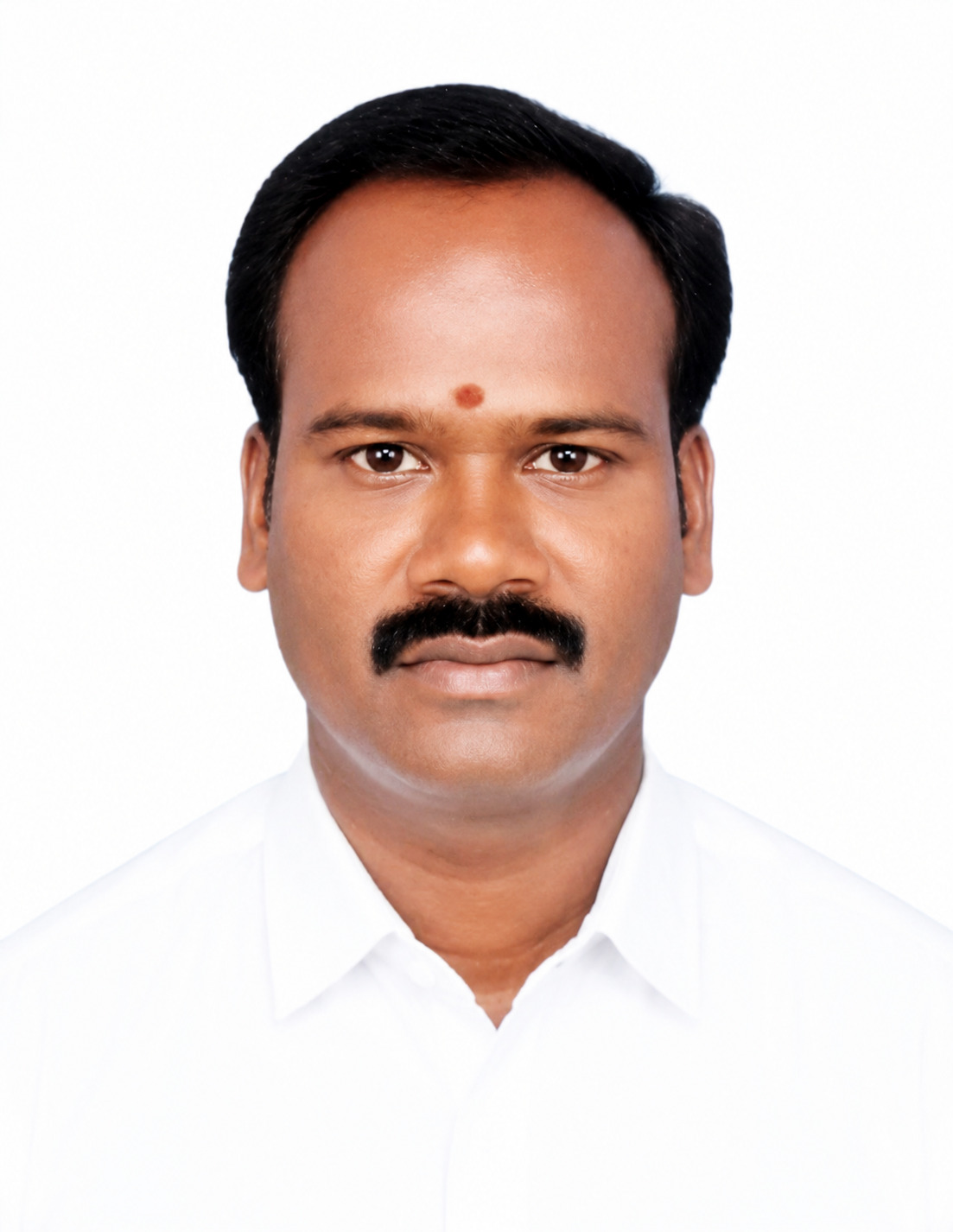
Current MLA
Current Party
Reservation
District
Electors
Latest Election
Constituency Overview
Chengam (SC) Assembly Constituency is located in **Tiruvannamalai district** of Tamil Nadu and forms part of the **Tiruvannamalai Lok Sabha constituency**. Reserved for **Scheduled Caste (SC)** candidates, the constituency is centred around **Chengam**, an important agricultural and commercial town situated at the foothills of the **Eastern Ghats**. Located along the **Tiruvannamalai–Bengaluru Highway**, Chengam serves as a gateway to the **Jawadhu Hills**, making it strategically significant for both agriculture and eco-tourism. The constituency encompasses fertile plains, forested hill regions and several tribal settlements, creating a unique blend of rural and ecological landscapes.
The constituency enjoys good connectivity through **National Highway 77**, state highways and road links connecting it with Tiruvannamalai, Krishnagiri, Vellore and Bengaluru. Agriculture remains the backbone of the local economy, supported by irrigation tanks, seasonal streams and groundwater resources. Paddy, groundnut, sugarcane, millets, maize, sesame and vegetables are widely cultivated, while the hill regions produce jackfruit, mango, tamarind and minor forest produce. Dairy farming, livestock rearing, agro-processing, retail trade and government services provide substantial employment. The nearby **Jawadhu Hills** also offer growing opportunities for eco-tourism and horticulture.
Location
Approximate location of Chengam Assembly Constituency, Tiruvannamalai district.
2026 Election Result
S.Velu
Votes: 87,802
K Bharathidhasan
Votes: 74,524
Victory margin: 13,278 votes
Political History
Chengam has traditionally been one of the politically significant Scheduled Caste reserved constituencies in northern Tamil Nadu. The constituency has witnessed electoral contests primarily between the **Dravida Munnetra Kazhagam (DMK)**, **All India Anna Dravida Munnetra Kazhagam (AIADMK)**, **Indian National Congress (INC)**, **Bharatiya Janata Party (BJP)** and other regional political parties.
Agriculture, Scheduled Caste welfare, tribal development, irrigation, education and rural infrastructure have consistently shaped electoral outcomes. Development of the Jawadhu Hills region remains an important public issue.
Demographics
Population
Literacy Rate
SC Population
ST Population
Male
Female
Economy & Key Occupations
Urban / Rural
Major Sectors
Key Industries
Major Crops
Key Development Issues
Agricultural development and water conservation remain the foremost priorities in Chengam. Farmers seek improved irrigation facilities, restoration of tanks, groundwater recharge and better market support for agricultural produce.
Residents seek improved healthcare facilities, educational institutions, road connectivity, drinking water supply and public transportation. Scheduled Caste welfare, tribal development, eco-tourism, horticulture, skill development and employment opportunities for youth remain important priorities. Forest conservation and sustainable development of hill communities also receive considerable attention.
Constituency Insights
Chengam combines agricultural prosperity with ecological diversity and tribal heritage. The electorate includes farmers, Scheduled Caste communities, tribal communities, traders, dairy farmers, government employees, teachers, students and small business owners.
Agriculture remains the dominant economic activity, while horticulture, livestock farming, agro-processing and retail trade provide additional employment. The constituency's location near the **Jawadhu Hills** gives it considerable environmental and tourism potential. Voters generally prioritise irrigation, agriculture, Scheduled Caste welfare, healthcare, education and infrastructure.
Frequently Asked Questions
Q: Where is Chengam Assembly Constituency located?
A: Chengam (SC) Assembly Constituency is located in Tiruvannamalai district of Tamil Nadu and forms part of the Tiruvannamalai Lok Sabha constituency.
Q: Is Chengam a reserved constituency?
A: Yes. Chengam Assembly Constituency is reserved for Scheduled Caste (SC) candidates.
Q: Who is the current MLA of Chengam?
A: M. P. Giri of the Dravida Munnetra Kazhagam (DMK) is the current MLA of Chengam, having won the 2021 Tamil Nadu Assembly election.
Q: Why is Chengam Assembly Constituency important?
A: Chengam is an important agricultural constituency located at the foothills of the Jawadhu Hills. It is known for its fertile farmlands, tribal communities and its role as a gateway to one of Tamil Nadu's major hill regions.
Q: What are the major economic activities in Chengam?
A: Agriculture, horticulture, dairy farming, livestock rearing, agro-processing, retail trade and government services are the major economic activities in the constituency.
Q: What are the major crops grown in Chengam?
A: Paddy, groundnut, sugarcane, millets, maize, sesame and vegetables are among the major crops cultivated in the constituency.
Q: Is Chengam an urban or rural constituency?
A: Chengam is a predominantly rural constituency, comprising Chengam town, surrounding agricultural villages and parts of the Jawadhu Hills.
Q: Which Lok Sabha constituency does Chengam belong to?
A: Chengam Assembly Constituency is part of the Tiruvannamalai Lok Sabha constituency.
Q: What are the key development issues in Chengam?
A: Irrigation, agricultural development, Scheduled Caste welfare, tribal development, healthcare, education, rural infrastructure, eco-tourism, water conservation and employment generation are among the major concerns.
Q: Why is Chengam famous?
A: Chengam is famous for its location at the foothills of the Jawadhu Hills, which are known for their forests, waterfalls, tribal settlements and horticultural produce. The constituency is also recognised for its agricultural economy and its strategic location on the Tiruvannamalai–Bengaluru highway, serving as an important gateway to the Eastern Ghats.
Q: What factors influence elections in Chengam?
A: Irrigation, agricultural development, Scheduled Caste welfare, tribal development, employment opportunities, healthcare, education, rural infrastructure, welfare schemes and local leadership are among the most important factors influencing elections in the constituency.