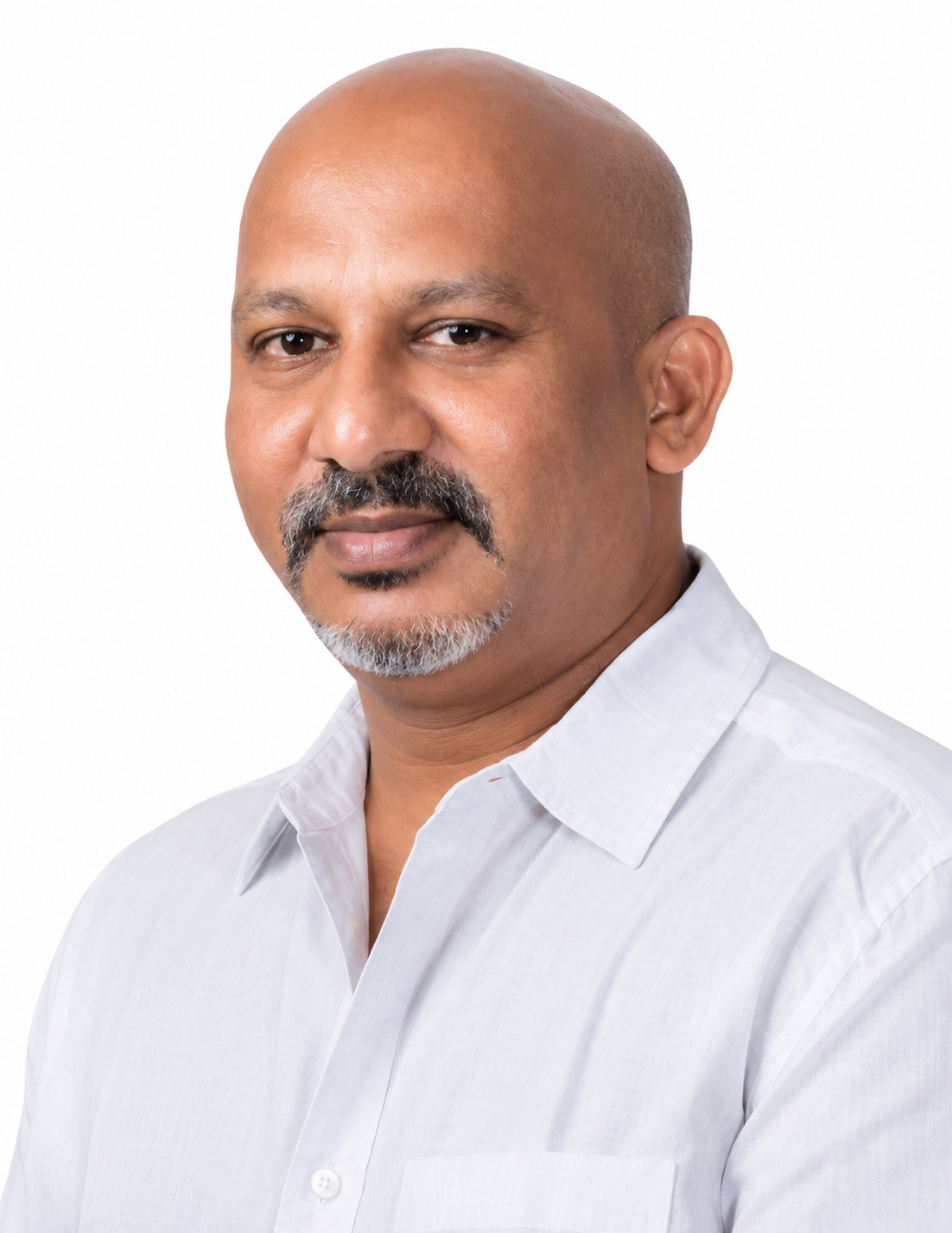
Current MLA
Current Party
Reservation
District
Electors
Latest Election
Constituency Overview
Quepem Assembly Constituency is located in **Kushavati district** of **Goa** and forms part of the **South Goa Lok Sabha constituency**. Centred around the historic town of **Quepem**, the constituency is one of southern Goa's important administrative, agricultural and mining regions. Situated along the banks of the **Kushavati River**, Quepem serves as a commercial hub for the surrounding hinterland and is known for its rich cultural heritage, lush greenery and traditional Goan villages. The constituency also includes parts of Goa's mining belt and has historically played an important role in the state's iron ore industry.
Quepem enjoys good connectivity through **National Highway 66**, state highways and road links connecting it with Margao, Canacona, Sanguem and Panaji. Agriculture remains an important source of livelihood, with paddy, coconut, cashew, arecanut, mango and spices widely cultivated. Mining, where operational, transportation, retail trade, government services, construction and small businesses contribute significantly to the local economy. Dairy farming, horticulture and fisheries in inland water bodies also support rural livelihoods. Religious tourism centred around historic temples and churches adds to the constituency's economic activity.
Location
Approximate location of Quepem Assembly Constituency, Kushavati district.
2022 Election Result
Altone D'Costa
Votes: 14,994
Chandrakant Kavlekar
Votes: 11,393
Victory margin: 3,601 votes
2022 Voter Turnout
Turnout
Votes Polled
Total Electors
2017 Election Result
Chandrakant (Babu) Kavlekar
Votes: 13,525
Prakash Shankar Velip
Votes: 10,933
Victory margin: 2,592 votes
2017 → 2022 Comparison
INC held this seat across both elections. Winning margin widened from 2,592 (2017) to 3,601 (2022) — up 1,009 votes.
Political History
Quepem has traditionally been one of the politically significant constituencies in southern Goa. The constituency has witnessed electoral contests primarily between the **Bharatiya Janata Party (BJP)**, **Indian National Congress (INC)**, **Aam Aadmi Party (AAP)**, **Goa Forward Party (GFP)** and independent candidates.
Mining, agriculture, employment generation, infrastructure development, environmental conservation and water resources have consistently shaped electoral outcomes. The regulation and revival of the mining sector have remained major political issues over the past decade.
Demographics
Population
Literacy Rate
SC Population
ST Population
Male
Female
Economy & Key Occupations
Urban / Rural
Major Sectors
Key Industries
Major Crops
Key Development Issues
Economic diversification and sustainable development remain the foremost priorities in Quepem. Residents seek balanced policies that support mining-related employment while protecting forests, rivers and agricultural land.
Farmers seek improved irrigation facilities, better market access and support for horticulture and allied activities. Residents also seek improved healthcare facilities, educational institutions, road connectivity, drinking water supply and public transportation. Employment opportunities for youth, industrial investment, tourism promotion and environmental restoration of mining-affected areas remain important priorities.
Constituency Insights
Quepem combines agriculture, mining heritage and commercial activity with a rich cultural tradition. The electorate includes farmers, mine workers, traders, government employees, transport operators, teachers, students and small business owners.
Agriculture and services continue to play an important role, while mining and related industries have historically contributed significantly to the local economy. The constituency's strategic location in southern Goa and its abundant natural resources continue to influence its development priorities. Voters generally prioritise employment, infrastructure, agriculture, environmental protection, healthcare and education.
Frequently Asked Questions
Q: Where is Quepem Assembly Constituency located?
A: Quepem Assembly Constituency is located in Kushavati district of Goa and forms part of the South Goa Lok Sabha constituency.
Q: Who is the current MLA of Quepem?
A: Altone D'Costa of the Indian National Congress (INC) is the current MLA of Quepem, having won the 2022 Goa Assembly election.
Q: Why is Quepem Assembly Constituency important?
A: Quepem is an important administrative and commercial centre in southern Goa, known for its agricultural economy, mining heritage and location along the Kushavati River. It serves as a key gateway to the interior parts of southern Goa.
Q: What are the major economic activities in Quepem?
A: Agriculture, mining-related services, horticulture, retail trade, construction, transport services and government services are the major economic activities in the constituency.
Q: What are the major crops grown in Quepem?
A: Paddy, coconut, cashew, arecanut, mango, jackfruit and spices are among the major crops cultivated in the constituency.
Q: Is Quepem an urban or rural constituency?
A: Quepem is a semi-urban and rural constituency, comprising Quepem town and numerous surrounding villages.
Q: Which Lok Sabha constituency does Quepem belong to?
A: Quepem Assembly Constituency is part of the South Goa Lok Sabha constituency.
Q: What are the key development issues in Quepem?
A: Sustainable mining, agricultural development, healthcare, education, road infrastructure, drinking water supply, environmental restoration, employment generation and industrial investment are among the major concerns.
Q: Why is Quepem famous?
A: Quepem is famous for its location on the Kushavati River, its rich agricultural landscape and its long association with Goa's iron ore mining industry. The constituency is also known for its historic churches, temples, traditional villages, cashew plantations and scenic countryside, making it an important cultural and economic centre in southern Goa.
Q: What factors influence elections in Quepem?
A: Mining policy, employment opportunities, agricultural development, infrastructure, environmental conservation, healthcare, education, welfare schemes and local leadership are among the most important factors influencing elections in the constituency.